
Blog
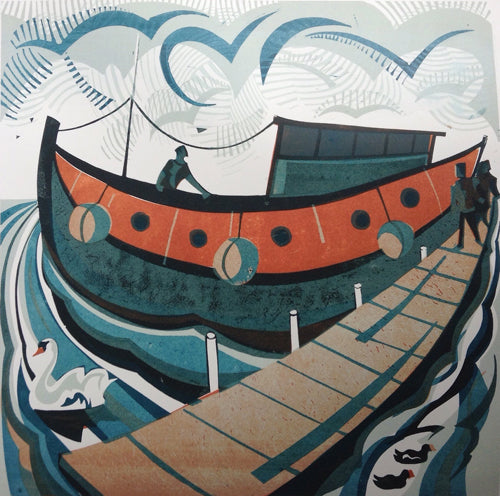 Hi, My name is Paul Cleden; I am a printmaker living in Dorset. I create relief prints, collagraph, and card prints, but the majority of my work is currently multi-block Lino Cuts, although a recent collaboration with the Penfold Press means that I’m also now making screen prints – all very exciting. My background is …
 Thermal Screens or Thermofaxes are often made using traditional photocopy technology from the 1950s. However, here at Handprinted, we use a machine called a MiScreen to process our screens. The MiScr. . .
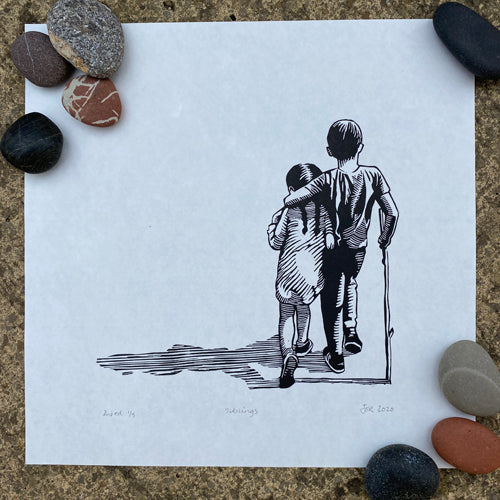 My name is Jody O’Reilly, I live on the edge of the Cotswolds in the Evenlode Valley in Oxfordshire, close to where I grew up. The small town we now live in has lots going on including a busy and active art society; we love where we live. I have two children and a husband …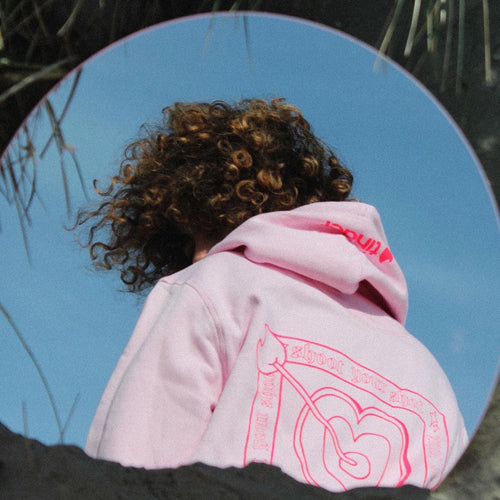
Hello, I’m Nawel. I’m a self taught screen printer and have been running my small sustainable brand, Good Girl Gang, since 2018. Describe your printmaking process. Everything you need for scr...
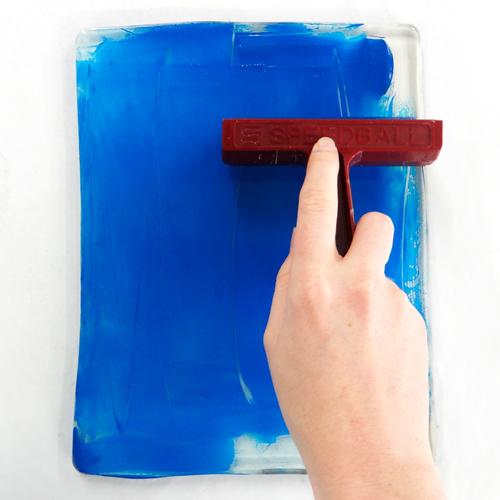 We’ve been having a lot of interest in Gelli Plates recently so thought it was about time we posted a few of our own Gelli Plate experiments for you to have a look at. If you haven’t already heard of Gelli Plates, they’re reusable, durable printing plates that allow you to mono-print without a press. …
I am a part-time weekend printmaker. During the week I like to spend my time packing and posting out printing supplies to printmakers around the country! My main printing love is li...
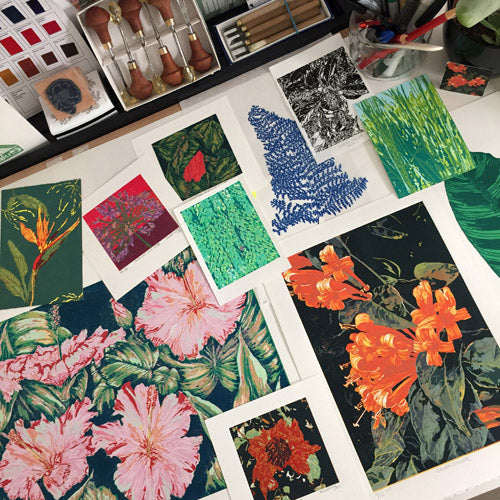 I am an artist printmaker producing original botanical relief prints. I predominantly create reduction linocuts made by carving my drawings on traditional lino and Japanese vinyl cutting surfaces using specialist carving tools, inking with oil-based printmaking inks and printing by hand or with an etching press. Since May 2018 to date, I have been working …
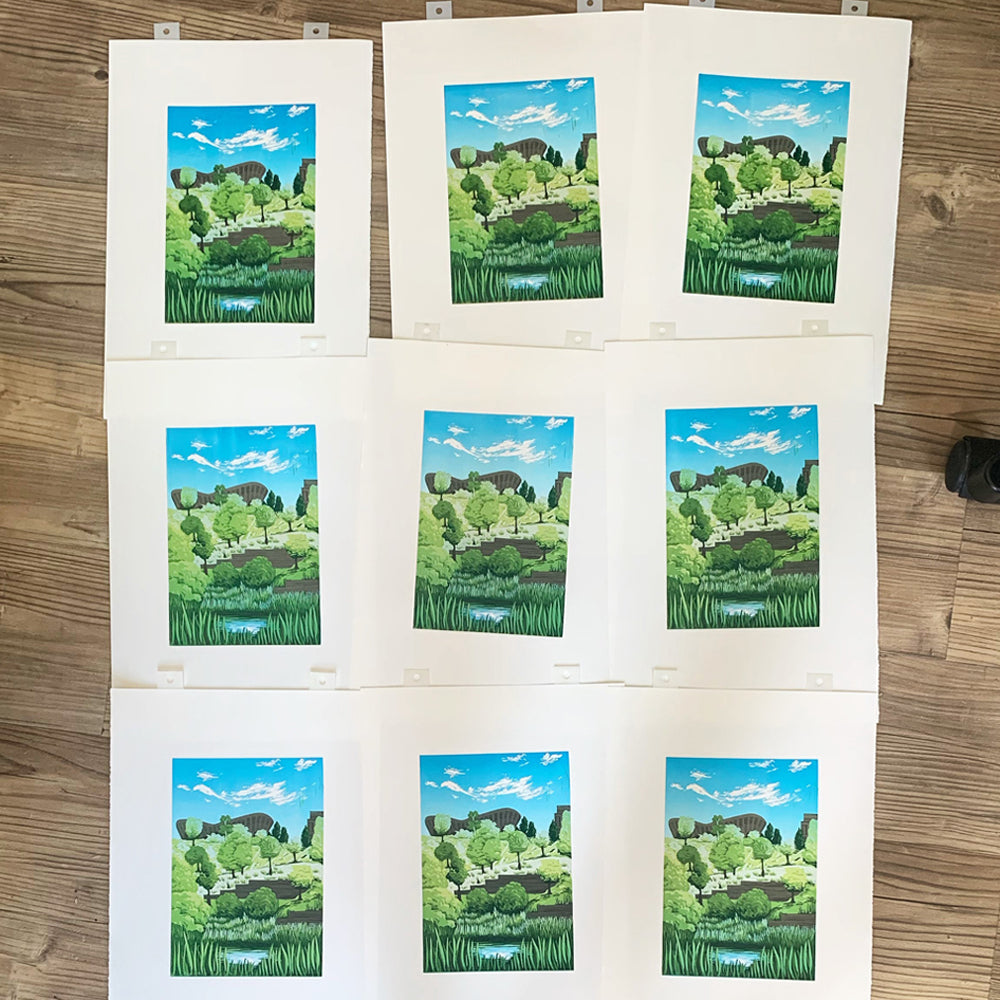 I am a GP and mum-of-two, living in east London – with a side-hustle in printmaking. I’m self-taught and have dabbled in etching, monotype and collagraph but am currently working in linocut. Describe your printmaking process. I usually sketch out ideas and then either draw directly onto the lino with a sharpie or transfer to …
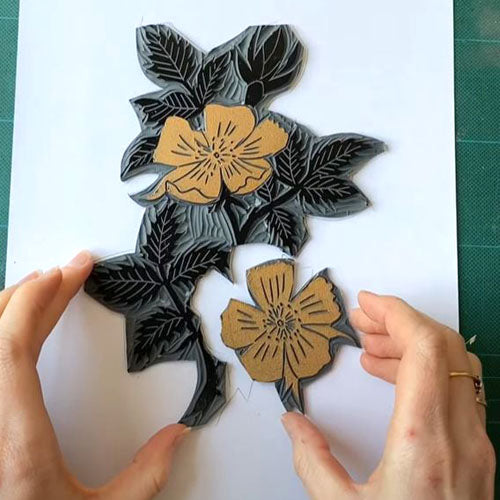 Jigsaw Linocut is a fantastic way of creating a multi-coloured print from just one block and just one layer. By cutting our carved block into jigsaw pieces we can ink them up separately before putting them back together and printing. Scroll down for a video or read on. When using this technique, it’s necessary to …
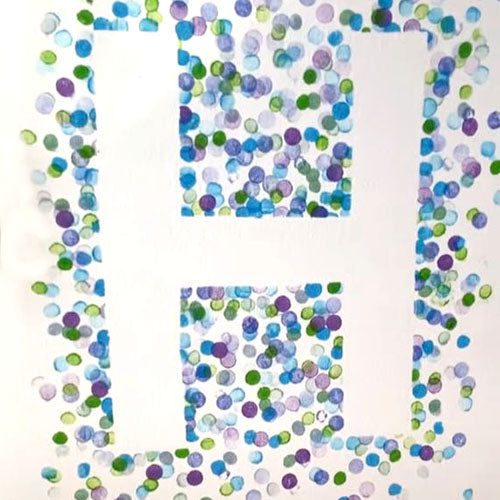 This speedy project is great to loosen up you printmaking when a blank page is too daunting! It used simple materials and equipment and is great for children too. Scroll down to watch a video or read on. We will be printing with pencil erasers – the little round rubber ends of pencils are perfect...
 My name is Alice, and I am half Italian / half British. Although I grew up in Italy, I’ve been living mostly in the UK since I went to university in 2013. Printmaking for me is just a hobby at this stage, but I do hope one day I can make it into something more, …
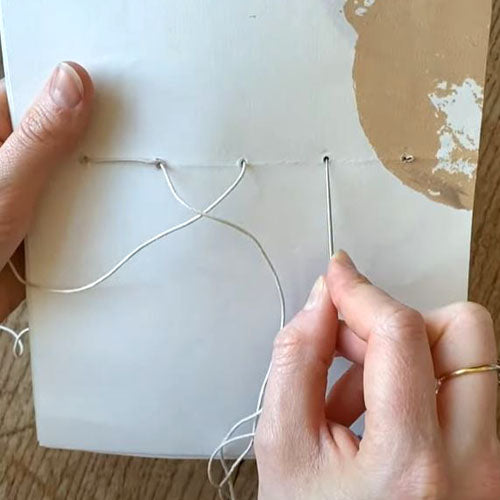 If you have a stack of papers in your house too pretty to recycle then here's a way to make something beautiful from them. It's perfect for misprints and test prints too!
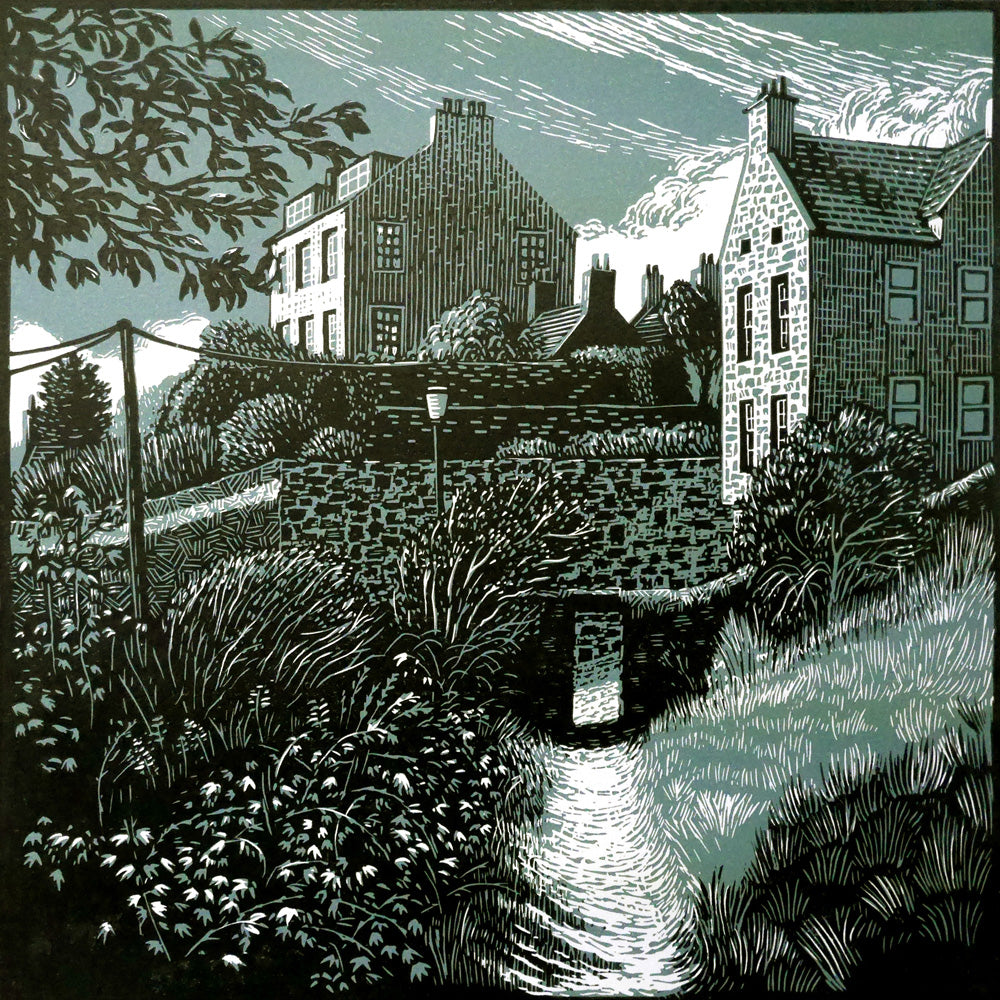 My name is Bryan Angus, a visual artist specialising in lino printing. Originally from Aberdeen, I’ve travelled about the country a bit and now live in Banff, close to where my family roots are. I trained in painting in the late 70s in Aberdeen but spent most of my working life not making art. I …
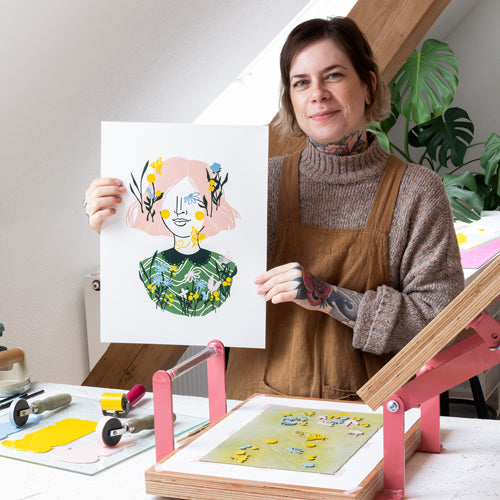 Hey, my name is Anna, I am 34 years old and from Germany. I started linocut printing in 2018 but my first printing experience was during my product design studies at University. I love bold and colourful…
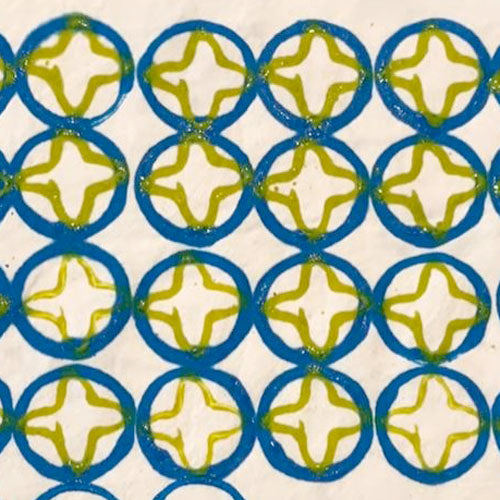 Here is a quick, easy printmaking method that requires almost no specialist equipment at all! This project is great for adults and children alike and is perfect for loosening up your creativity.
 When I start a new design, I usually draw straight onto the lino and create the image as I go along. Recently though I have been planning out my prints using Corel Clip Studio on my laptop. It has helped me have a clearer idea of how . . .
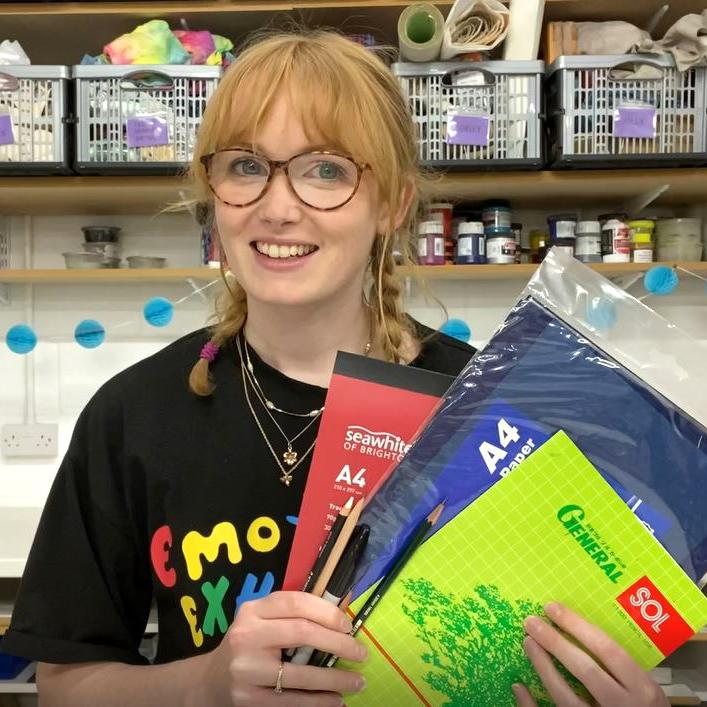 We’ve loved creating videos and blogs to aid and inspire your printmaking throughout 2021! What started out as a way of reaching our customers whilst our workshops had to be closed down, turned into an ongoing project that’s reached so many more printmakers all over the world. Thank you for watching our videos and supporting … Continue reading "Video Round Up 2021"
We've had a fantastic array of talented printmakers to keep us inspired over the last year via our Meet the Maker blog feature. Here is a round-up of all the artists featured this year. Grab yourself a drink, pop your feet up and browse this showcase of work alongside . . .
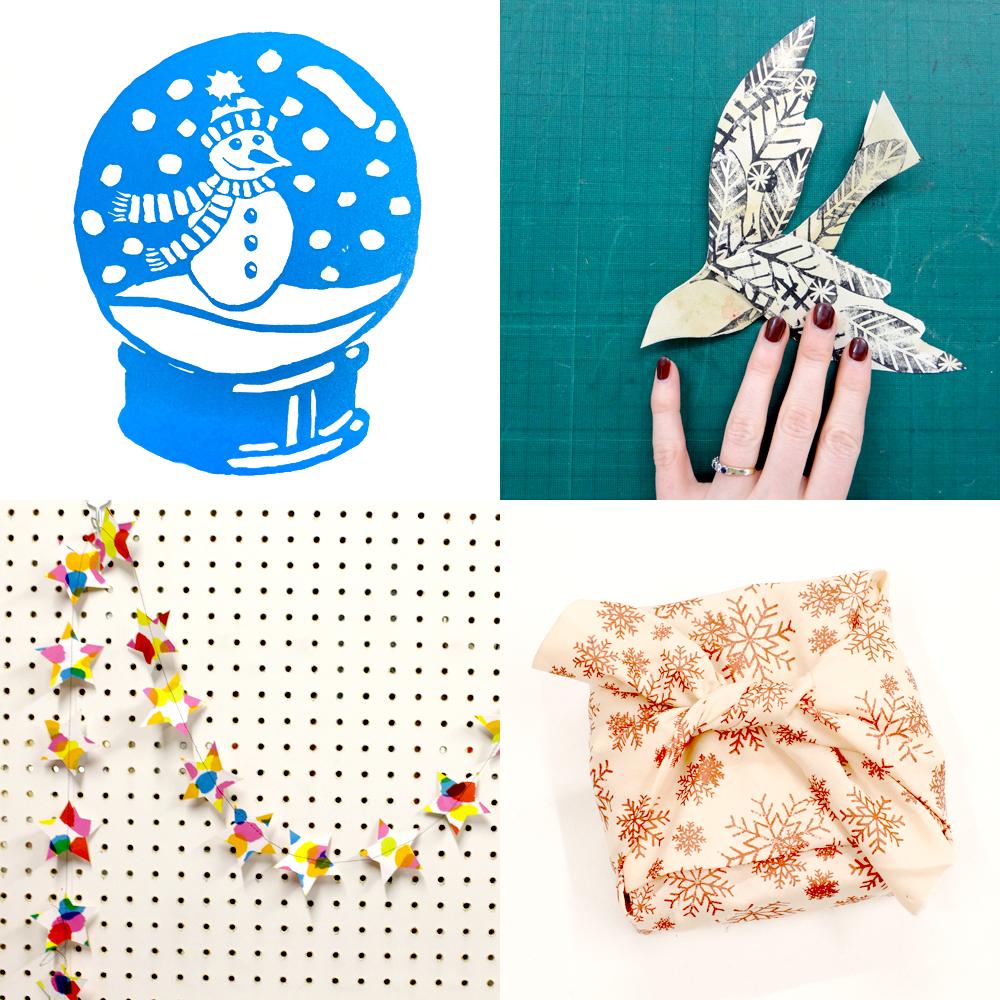 Grab your red, green and gold ink and let’s go! Here are 20 Handprinted Christmas projects to keep you in the festive spirit this year. Gift Wrapping Handprinted Christmas Project: Bridget’s Furoshiki Fabric WrappingThis beautiful way of wrapping presents in paper is traditional in Japan but is rising in popularity in the UK too! This …


